driveplus.ma

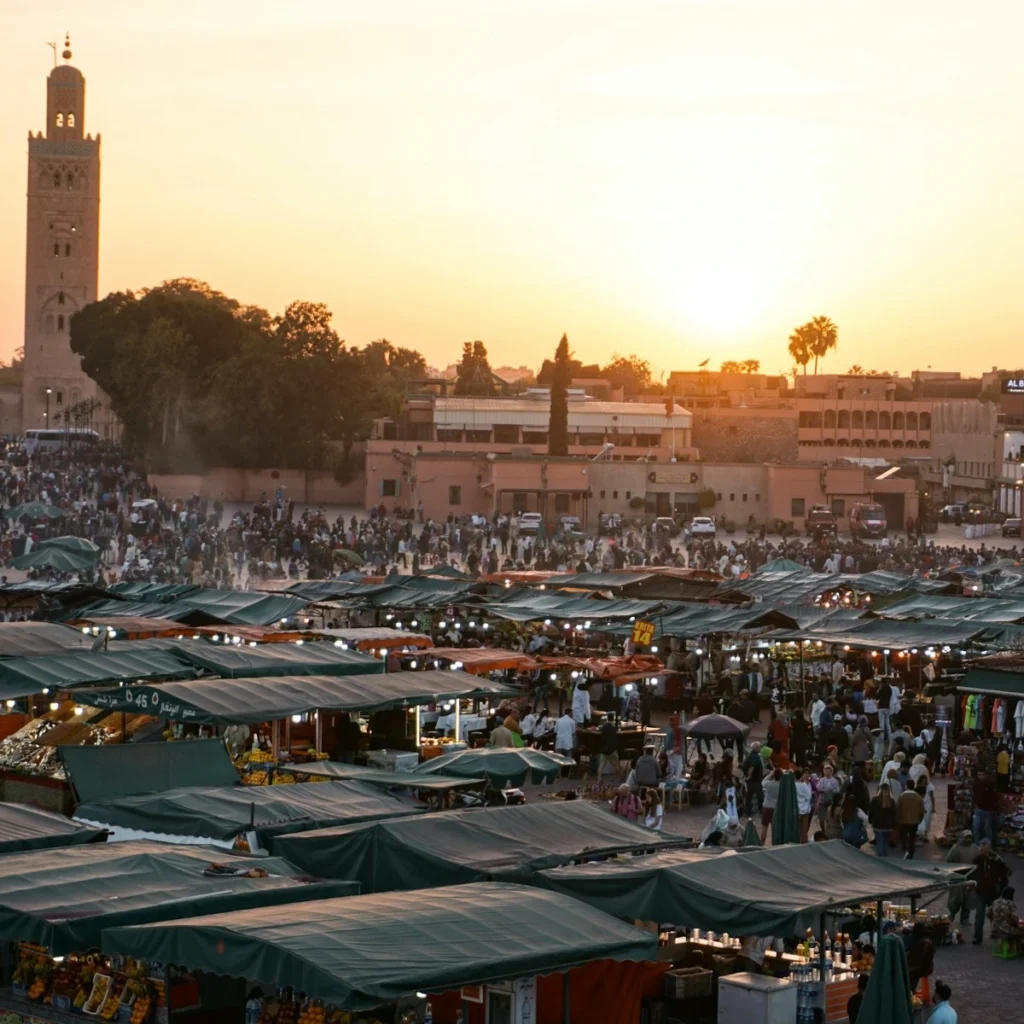
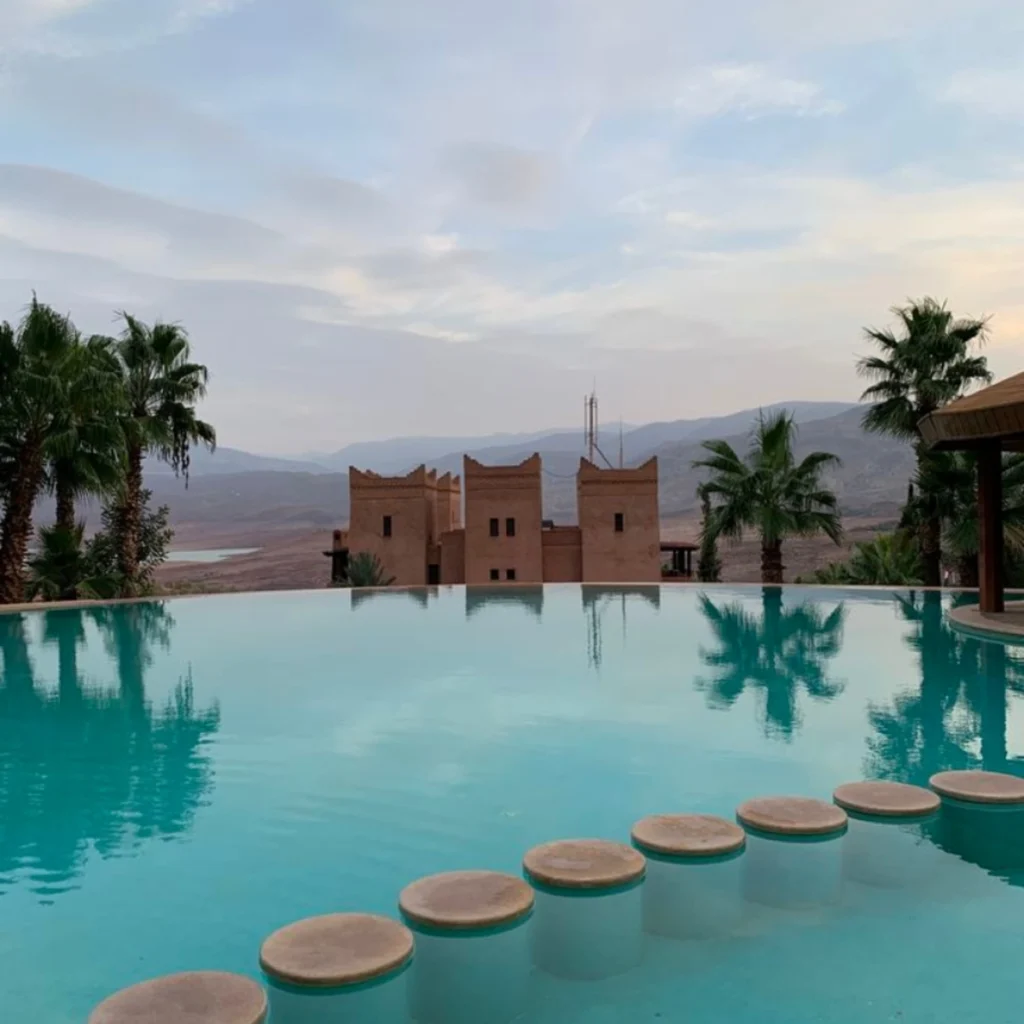
Bin El Ouidane dam and lake view, Azilal province, Morocco

Visit Bin El Ouidane: Complete Travel Guide to Morocco's Lake

Visit Bin El Ouidane: Complete Travel Guide to Morocco's Atlas Lake Introduction: why visit Bin El Ouidane Most visitors to Morocco see the medinas, the desert and the coast. Far fewer find the turquoise lake tucked into the foothills of the High Atlas. If you want a quiet landscape with no crowds, visiting Bin El Ouidane is one of the best choices in the country. The lake sits in the Azilal province, between Marrakech and Beni Mellal. It is a large reservoir with deep blue water, red-brown hills and olive groves around it. The pace is slow: you can take a boat trip, eat grilled fish by the water, or watch the sunset from a viewpoint above the dam. This guide covers how to get there, what to do, when to go and how to plan the trip. It also explains why having your own car makes the day much easier. What is Bin El Ouidane? Bin El Ouidane (also written Bin el Ouidane or Bine El Ouidane) is both a village and one of Morocco's most important dams. The dam was built in the early 1950s on the Oued El Abid. It holds back a large reservoir that irrigates the Tadla plain, produces hydroelectric power and supplies water to nearby towns. For travellers, the result is a scenic lake with many arms that run between the hills. The shoreline is irregular, so the views change at every turn. The water level changes with rainfall and snowmelt, so the lake can look quite different from one season or year to the next. How to get to Bin El Ouidane Public transport here is limited and slow, so the lake is best reached by car. Distances and times below are approximate: check your GPS before you leave and download an offline map, because mobile signal can drop in the hills. Starting point Approx. drive time Note Marrakech 3 hours About 200 km. Head northeast toward Beni Mellal and Azilal, then follow the signs to the lake Beni Mellal 1 hour Short and scenic drive Azilal Under 1 hour Easy add-on to a visit to Ouzoud Casablanca 4 to 5 hours Depends on traffic and the route Agadir 8 hours or more Plan an overnight stop in Marrakech, or build it into a longer Atlas road trip Why renting a car is the best way to visit The lake, the viewpoints and the villages are spread out, and taxis and buses do not connect them well. With a rental car you can: Leave Marrakech early and avoid the midday heat Stop at viewpoints along the road whenever you like Combine the lake with Ouzoud Waterfalls in one trip Stay as long as you want at the water, with no timetable At Drive Plus you can pick up your car at Marrakech Menara Airport, and every rental includes unlimited mileage, full coverage insurance, no deposit and no hidden fees. That suits a trip like this, where you may drive 400 km or more in a day. For tips on the road itself, read our complete guide to driving in Morocco. Best things to do in Bin El Ouidane 1. Take a boat trip on the lake A boat ride is the best way to understand the size of the reservoir. Local boatmen take small groups out on the water. You see the shoreline, hidden coves and the dam wall from below. Agree the price and duration before you board. 2. Walk around the dam and the viewpoints The dam is an impressive piece of engineering, and the views from the road above it are among the best in the area. Take your time, bring a camera, and stop at the viewpoints for photos. Do not photograph official installations if signs ask you not to. 3. Watch the sunset over the water Late afternoon is the best time for photos. The light turns the hills orange and gold, and the lake becomes calm and reflective. If you can stay until evening, you will have one of the nicest views in the Atlas. 4. Try fishing The lake is known for freshwater fishing. Anglers come for species such as carp and black bass. Rules and permits can change, so ask locally about what is allowed before you start. 5. Kayak or paddle On calm days, kayaking is a peaceful way to explore the quieter corners of the lake. Some local operators and lodges rent equipment in the warmer months. Always wear a life jacket and avoid windy afternoons. 6. Eat by the lake Several small restaurants and lodges serve grilled fish, tagine, fresh salads and mint tea with views of the water. Try the local fish if it is on the menu, and ask what is fresh that day. 7. Go camping or stay overnight For a longer visit, Bin El Ouidane camping is a good option. There are campsites, lakeside lodges, guesthouses and eco-lodges around the lake. Nights are quiet and the sky is very clear. Book ahead in spring and autumn, and bring warm clothes because evenings can be cool at this altitude. 8. Hike in the surrounding hills Trails run through olive groves, small Amazigh villages and rocky hills. Walks range from easy lakeside strolls to longer routes with big views. Wear good shoes, carry water and tell someone your route if you go far. Combine Bin El Ouidane with Ouzoud Waterfalls The best-known neighbour is Ouzoud Waterfalls, about an hour or so from the lake by road. These are among the tallest and most beautiful falls in Morocco, with monkeys, mills and small restaurants along the trail. A very good plan is to visit Bin El Ouidane in the morning, have lunch by the water, and drive to Ouzoud in the afternoon. Or do it the other way round and finish with the sunset at the lake. If you can, stay a night in the area, because the trip is long if you do both in one day from Marrakech.

Visit Bin El Ouidane: Complete Travel Guide to Morocco's Lake Read More »
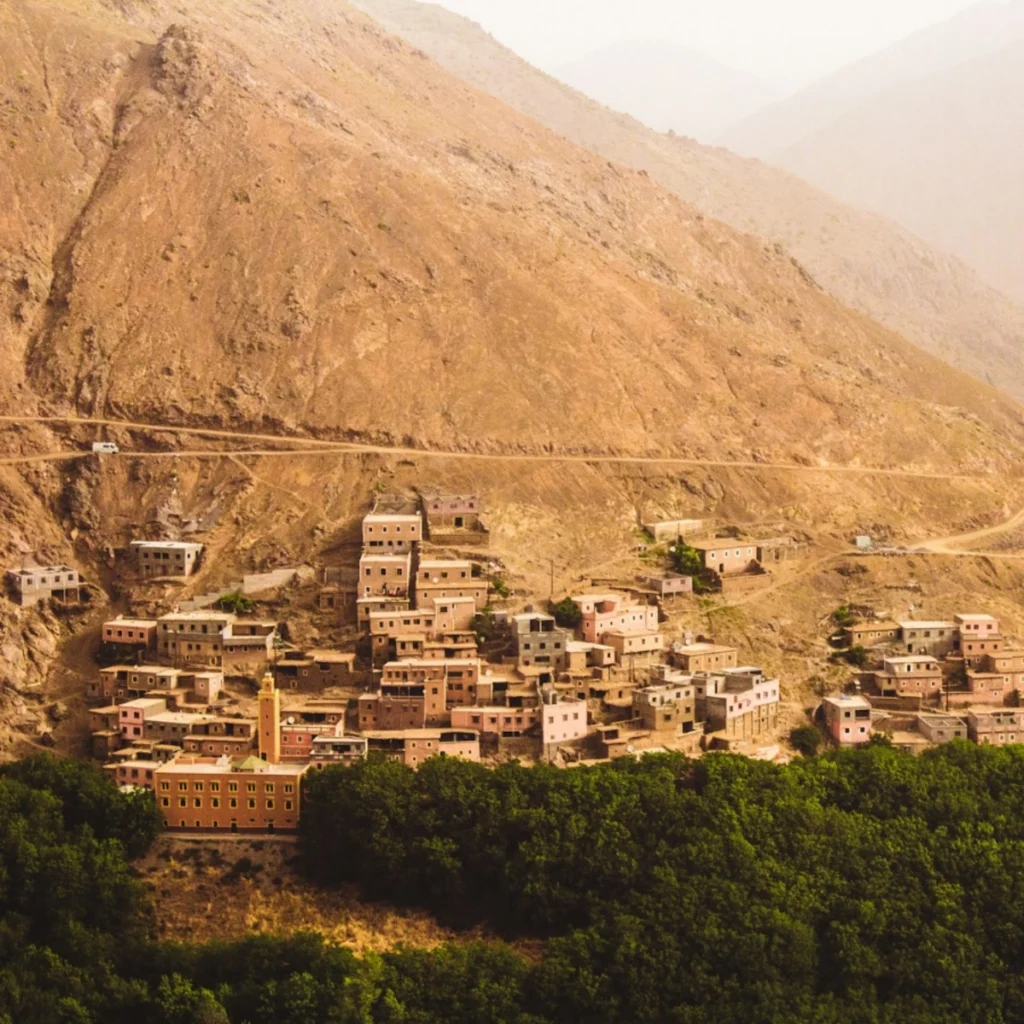
Scenic High Atlas mountain landscape on the Toubkal trekking route near Imlil, Morocco

Toubkal Trekking: Complete Guide to Climbing Morocco's Peak

Toubkal Trekking: Complete Guide to Climbing Morocco's Peak Toubkal trekking is the most popular mountain adventure in Morocco, and for good reason. At 4,167 metres, Jebel Toubkal is the highest summit in North Africa, yet it sits just 60 kilometres south of Marrakech. You can leave the city's busy souks in the morning and be walking among Berber villages and walnut trees before lunch. Best of all, you do not need to be a technical climber. In the main season, the standard route is a demanding but non-technical walk. If you are reasonably fit and prepared, a Mount Toubkal trek is achievable in two days, and it is one of the best introductions to Atlas Mountains trekking. This guide covers everything you need to plan your climb: routes, itineraries, difficulty, the best time to go, gear, guides, costs and practical tips. Why Choose Toubkal Trekking? A real summit, within easy reach. Few 4,000-metre peaks are this accessible. Marrakech airport is about 1.5 hours by road from the trailhead, which makes Toubkal ideal for a short trip or an add-on to a Moroccan holiday. Spectacular scenery. The trail climbs through terraced valleys, red-earth villages and rocky high-mountain terrain. From the summit, on a clear day, you can see across the High Atlas and, in good conditions, toward the Sahara. Authentic culture. Toubkal trekking passes through Amazigh (Berber) communities. Tea with a local family, a night in a mountain refuge and the hospitality of your muleteers are as memorable as the peak itself. Flexible difficulty. You can climb Toubkal in 2 days, stretch the route to 3 or 4 days for better acclimatisation, or combine the summit with other peaks and valleys of the Toubkal National Park. Where Is Mount Toubkal? Jebel Toubkal rises in the High Atlas, inside Toubkal National Park. The classic starting point is Imlil, a village at about 1,740 metres, roughly 60 kilometres from Marrakech. Most trekkers book a transfer from Marrakech, either through their guide or a hotel. Shared taxis and buses also reach nearby Asni, where you can connect on to Imlil. The trek from Marrakech is easy to organise. Many agencies offer all-inclusive packages covering transfers, guide, mule support and accommodation, while independent trekkers can arrange these steps directly in Imlil. The Classic Route: Imlil to Toubkal Refuge and Summit The most common route for climbing Toubkal follows the Mizane valley. It is well marked, well used and suitable for most fit hikers in the right season. Day 1: Imlil to Toubkal Refuge (about 5 to 6 hours) After a transfer from Marrakech, you start walking from Imlil. The path climbs gradually past walnut groves and small farms. Around the halfway point you reach Sidi Chamharouch, a revered shrine and a popular rest stop with tea stalls. From there, the trail becomes rockier and steeper before arriving at the Toubkal Refuge (also known as the Neltner Refuge) at roughly 3,200 metres. This is where most people spend the night before the summit. Day 2: Summit and return to Imlil (about 8 to 10 hours in total) Set off early, often before sunrise, to enjoy cooler temperatures and the best light. The ascent from the refuge takes around 3 to 4 hours, climbing a long rocky slope toward the ridge and then the summit marked by a metal pyramid. After photos and a snack, you descend back to the refuge for lunch, then continue down to Imlil. This is the standard Toubkal 2 day trek, and it is the option most visitors choose. Longer Itineraries for Better Acclimatisation The summit is above 4,000 metres, so altitude can affect some trekkers. If you want a more relaxed experience, consider one of these options: 3-day trek: Spend the first night in Imlil or in a village gite, reach the refuge on day 2, and summit on day 3. The extra day helps your body adapt. 4-day trek: Add a night at the refuge, or include a day exploring the valleys around Imlil before the climb. Toubkal circuit: A multi-day loop through several valleys, passing high passes and remote villages. It suits trekkers who want more variety and fewer crowds. If you are short on time, a Toubkal trek from Marrakech can even start and finish within a weekend, but a slower pace is safer and more enjoyable. How Hard Is Toubkal Trekking? Toubkal is often described as moderate to challenging. The route is not technical in summer, but the combination of altitude, steep rocky sections and long days makes it tiring. Distance and elevation: The summit day involves roughly 1,000 metres of ascent from the refuge, on loose stones in places. Altitude: Some people feel headaches, nausea or breathlessness near the top. Walk slowly, drink plenty of water and descend if symptoms worsen. Fitness: Regular hiking or cardio training for a few weeks beforehand makes a big difference. Weather: Conditions can change quickly. Even in summer, mornings and nights at the refuge are cold. In winter and early spring, snow and ice can cover the upper slopes. At that time of year, crampons and an ice axe are often needed, and the climb becomes a serious mountaineering objective that calls for an experienced guide. Best Time for Toubkal Trekking The best seasons for climbing Toubkal are spring (April to June) and autumn (September to November). Spring: Pleasant temperatures, green valleys and flowering trees. Some snow may remain high up in April. Summer (July and August): The trail is usually snow-free, but afternoons can be hot at lower altitude. Start early each day. Autumn: Clear skies, stable weather and comfortable temperatures make this a favourite period. Winter (December to March): Beautiful but demanding. Expect snow, ice and short days, and go only with an experienced guide and proper equipment. Always check the forecast before you go, and keep in mind that Ramadan can affect the availability of some services in villages. What to Pack for Toubkal Trekking Packing well keeps you comfortable and safe at altitude. Bring: Broken-in

Toubkal Trekking: Complete Guide to Climbing Morocco's Peak Read More »

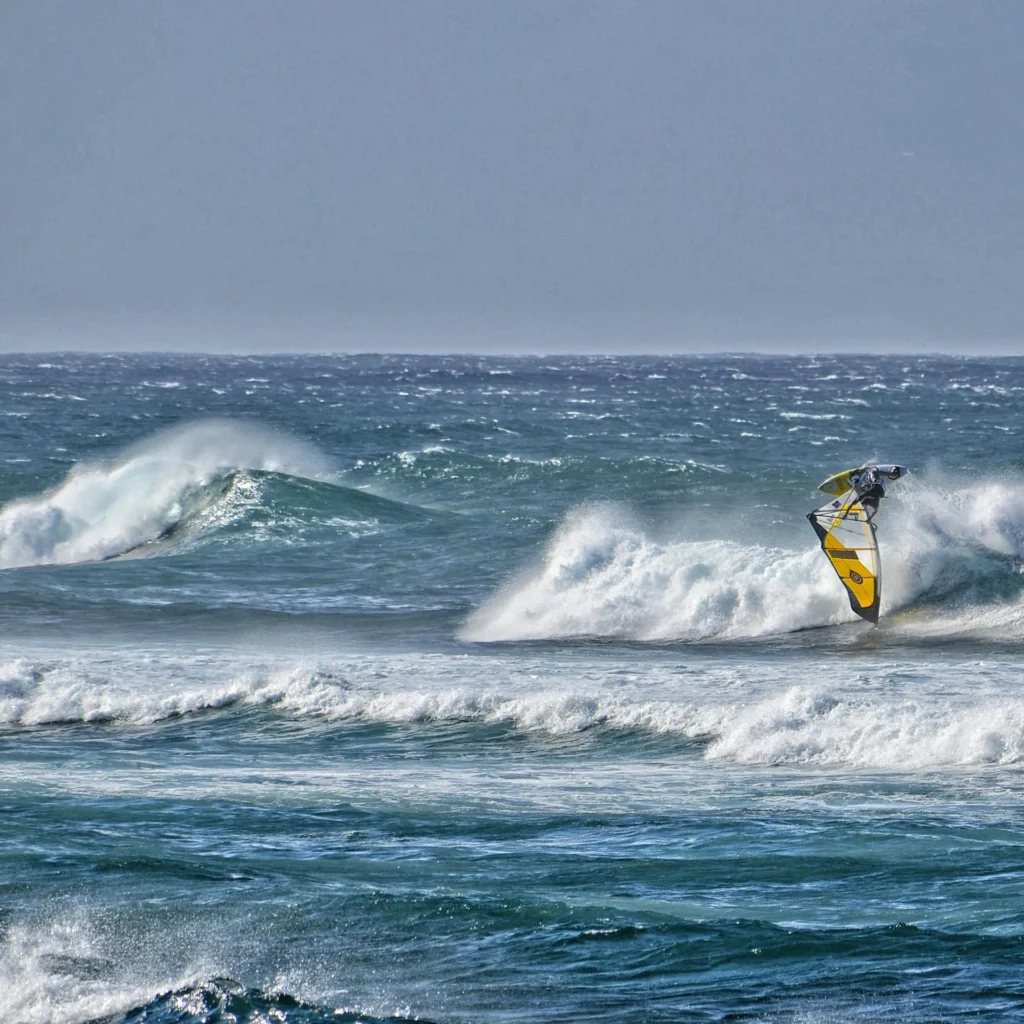
Imsouane surf trip by car – rental car exploring Morocco’s Atlantic surf coast

Car Rental Imsouane: Your Complete Guide to Exploring Morocco's Surf Paradise

Car Rental Imsouane: Your Complete Guide to Exploring Morocco's Surf Paradise Imsouane is one of Morocco's most relaxed coastal destinations. This small fishing village is famous for its long, gentle waves, stunning Atlantic views, and fresh seafood. But there is one thing every traveler quickly learns: the best way to enjoy the region is with your own vehicle. In this guide, we explain why car rental Imsouane is the smartest choice, how to plan your trip, and how Drive Plus can make it easy. Why Choose Car Rental in Imsouane? Public transport to Imsouane is limited, and taxis can be expensive and unpredictable, especially for longer trips. When you rent a car in Imsouane, you get: Total freedom: leave whenever you want and stop wherever you like. Time savings: no waiting for buses or negotiating taxi prices. Comfort: air-conditioned cars, plenty of space for luggage and surfboards. Better value: for groups and families, a rental car often costs less than multiple taxis. Access to hidden spots: discover beaches, viewpoints, and villages not reached by public transport. How to Get to Imsouane Imsouane sits on Morocco's Atlantic coast, between Agadir and Essaouira. Most visitors arrive by one of these routes: From Agadir: around 1.5 hours by road. Many travelers pick up a car rental at Agadir airport and drive straight to the coast. From Essaouira: about 2 hours along a scenic coastal route, perfect for a car rental Essaouira to Imsouane From Marrakech: roughly 4 hours by car, ideal for a classic Morocco road trip. Driving times are approximate and depend on traffic and road conditions. The Best Things to Do Around Imsouane by Car With a rental car, your itinerary opens up. Here are some highlights: Surf "The Bay" and "The Cathedral" Imsouane is known for one of Africa's longest rideable waves. It suits beginners and experienced surfers alike. Your car makes it easy to carry boards and gear. Take an Imsouane surf trip by car Combine Imsouane with nearby spots such as Taghazout and Banana Beach. A car rental in Taghazout or Agadir lets you chase the best swell all week. Enjoy a coastal road trip The road trip from Agadir to Imsouane is one of Morocco's most beautiful drives, with ocean views, argan trees, and small villages along the way. Eat fresh seafood Stop at local restaurants near the harbor for grilled fish straight from the boats. Watch the sunset Drive to a quiet viewpoint and enjoy golden hour over the Atlantic. Tips for Renting a Car in Imsouane Before you book, keep these tips in mind: Book early, especially in high season (autumn to spring, the main surf season). Choose the right vehicle. A compact car is great for couples, while an SUV or family car suits groups and surf gear. Check the insurance and what is included in your rental price. Verify your license. Bring your valid driver's license, and an international permit if required. Plan your fuel. Fill up in larger towns, as stations can be scarce in small villages. Drive carefully. Watch for pedestrians, animals, and speed limits on coastal roads. Why Rent with Drive Plus? At Drive Plus, we want your Moroccan adventure to be simple and stress-free. When you choose us for your car rental in Imsouane, you benefit from: Clear, competitive pricing with no hidden fees A well-maintained fleet for every budget and group size Flexible pick-up and drop-off options Friendly customer support before and during your trip Easy online booking Whether you need a car for a weekend surf break or a full self-drive trip along the Moroccan coast, we have a solution for you. Frequently Asked Questions Do I need a car in Imsouane? It is not mandatory, but it is highly recommended. A car gives you freedom to explore the surrounding beaches and towns at your own pace. Can I pick up my car at the airport? Yes. Many travelers collect their vehicle at Agadir airport and drive to Imsouane. Contact Drive Plus to arrange pick-up details. Is cheap car rental available in Morocco? Yes. Prices depend on the season, car type, and rental length. Booking in advance usually gets you the best rates. Can I carry surfboards in a rental car? Yes, with the right vehicle and equipment. Tell us in advance so we can recommend a suitable car. Is driving in Imsouane safe? Yes, roads are generally in good condition. Drive carefully, respect speed limits, and avoid night driving on unfamiliar rural roads. Book Your Car Rental in Imsouane Today Imsouane deserves to be explored without limits. With the right car, every sunrise, wave, and coastal view is within reach. Contact Drive Plus today to book your car rental in Imsouane and start your Moroccan adventure with confidence.

Car Rental Imsouane: Your Complete Guide to Exploring Morocco's Surf Paradise Read More »

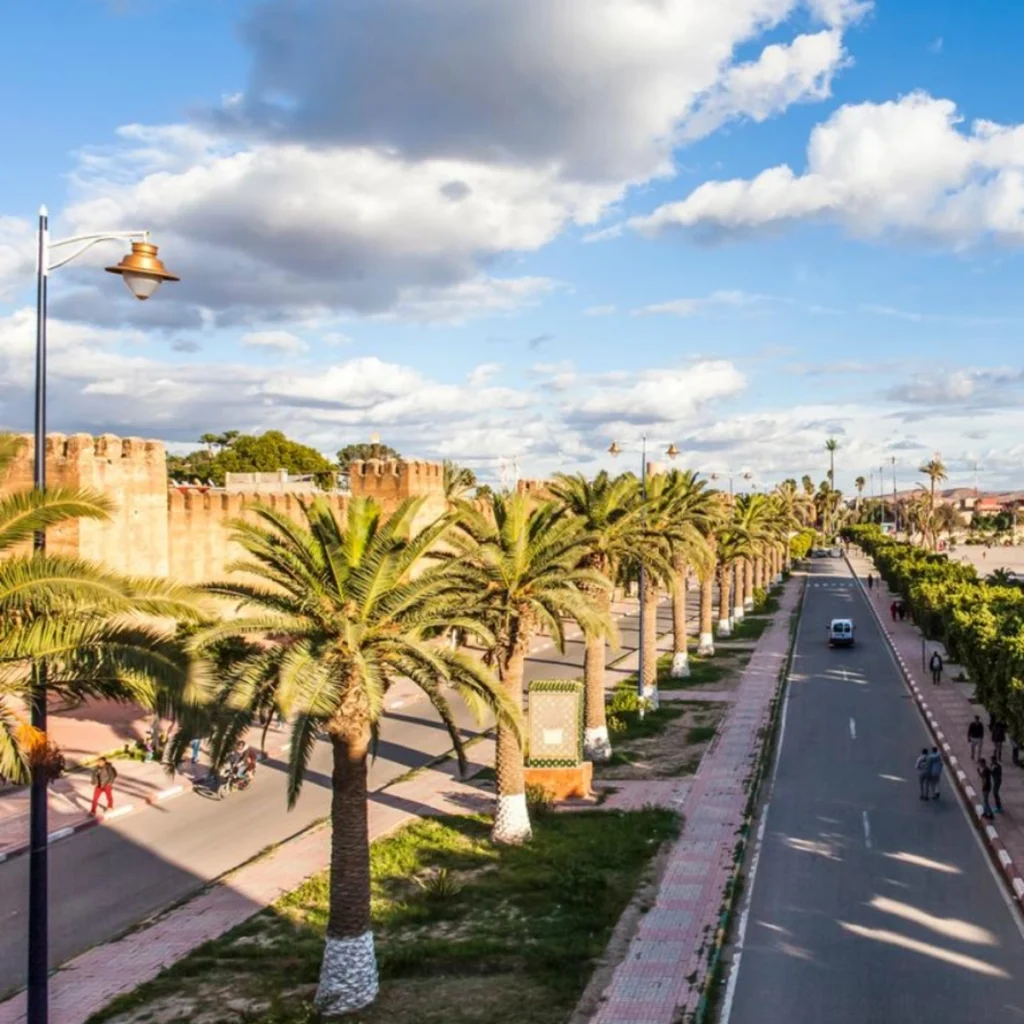
Discover Tiznit, the walled silver city near Agadir, Morocco

Visit Tiznit: Day Trip from Agadir by Car | Drive Plus

Visit Tiznit: The Complete Guide to Morocco's Silver City (Day Trip from Agadir) Most visitors to Agadir stay on the beach, but the region has much more to offer. About 90 to 100 km south of Agadir, Tiznit is a walled city that has moved from defensive outpost to a destination known for silver jewelry, an authentic medina and a location between the Atlantic coast and the Anti-Atlas mountains. It is calmer than Marrakech or Fes, so it is a good choice if you want a genuine Moroccan experience without the crowds. This guide covers what to see, when to go, and how to get there from Agadir by rental car. Why visit Tiznit? Tiznit is compact, friendly and full of craftsmanship. The city was founded in the 19th century by Sultan Moulay Hassan I and is known for its rammed-earth ramparts, its craftsmanship and its Amazigh culture. You can see most of it in a day, though it rewards a slower pace if you want to talk to artisans and explore the alleys. Top things to do in Tiznit Walk through the medina and its walls The old town is enclosed by nearly 5 km of rammed-earth walls, with historic gates such as Bab El Khemis and Bab Oulad Jerrar. Enter through a gate, wander the narrow streets, and look for small squares and hidden workshops. The medina is less crowded and easier to navigate than those of the big imperial cities. Shop at the silver jewelry souk This is Tiznit's signature attraction. The region is renowned for handcrafted Berber silver jewelry, and the souk has more than 100 silver shops. Start at the Place du Mechouar, the heart of the city, and look for the covered Kissaria. Expect large ornamental necklaces, traditional Amazigh pieces and modern designs. Compare a few shops before buying, ask about the silver quality, and negotiate politely. See the Blue Spring and Aghennaj Kasbah The city was built around a water source known as the Blue Spring, and the Kasbah Aghanaj, dating from 1810, stands opposite it. It is a quiet, atmospheric stop and a good place to understand why the town grew where it did. Visit the Thursday market The medina comes alive on Thursday, market day. If your schedule is flexible, plan your visit for then to see local life at its busiest. Relax at Aglou Beach Aglou is one of the closest beaches, about fifteen kilometers from Tiznit. It is a good place for a seafood lunch and a walk by the Atlantic before heading back. Continue to Mirleft and Legzira With a car, you can extend the day along the coast. Mirleft, south of Tiznit, offers beaches and charming coves, and Legzira is famous for its dramatic red rock formations. These formations have changed over time, so check recent photos before you go. Take the mountain route to the Anti-Atlas If you have more time, the road toward Tafraoute crosses valleys and the Kerdous Pass. It is a scenic drive that shows a very different side of southern Morocco. How to get from Agadir to Tiznit The trip is easy and the route is straightforward: take the N1 south, and you will reach Tiznit in less than two hours. In practice it is often closer to an hour and a half depending on traffic and stops. By rental car (recommended): A car lets you leave when you like, stop at viewpoints and beaches, and combine Tiznit with Aglou, Mirleft or Legzira in one trip, which is hard to do by public transport. By taxi or bus: Possible, but it limits your flexibility and makes coastal detours difficult. By organized tour: Tours exist, but they typically give you only about an hour in Tiznit itself. Rent a car in Agadir for your Tiznit trip A compact car is enough for the N1 and for parking in Tiznit's streets. If you plan to continue into the mountains or travel with family and luggage, an SUV or larger car will be more comfortable. At Drive Plus, we offer short-term rentals for a day or a weekend, as well as medium and long-term plans, and a range of vehicles from city cars to SUVs, with no deposit required. Contact us to check availability and current rates for your dates. Best time to visit Tiznit The cooler months from October to April are generally the best time to go. Summers can be hot inland, so if you visit then, start early and keep water in the car. Practical tips Start early to enjoy the medina in the cooler hours and avoid the midday heat. Carry small change for souks, parking guards and cafés. Dress modestly out of respect for local customs. Check the car at pickup: tires, fuel level, air conditioning and documents. Fill your tank in Agadir or Tiznit, especially if you continue to the coast or the mountains. Save an offline map, since mobile data can be unreliable outside towns. A simple one-day itinerary Morning: Leave Agadir on the N1, arrive in Tiznit, and explore the medina walls and the Kasbah area. Midday: Browse the silver souk and have lunch in the old town. Afternoon: Drive to Aglou Beach, or continue to Mirleft or Legzira if you have time. Evening: Return to Agadir before dark. Tiznit is one of the easiest and most rewarding day trips from Agadir. It combines history, craftsmanship and Atlantic scenery, and you can see it at your own pace with a rental car. Ready to go? Contact Drive Plus to book your car for the trip.

Visit Tiznit: Day Trip from Agadir by Car | Drive Plus Read More »

Panoramic view of Taroudant with the Anti-Atlas mountains

Taroudant, Morocco's "Little Marrakech": Full Travel Guide

Taroudant: Morocco's "Little Marrakech" You Shouldn't Miss Tucked between the High Atlas and Anti-Atlas mountains, in the heart of the Souss valley, Taroudant is one of Morocco's most charming and authentic cities. Nicknamed "little Marrakech" for its ochre-colored ramparts reminiscent of the Red City, it stands out for its relaxed pace, lively souks and rich history. Less touristy than its famous neighbor, Taroudant offers a more intimate taste of Morocco, making it a perfect stop on a road trip from Agadir or a longer journey through the country's south. Where Is Taroudant? Taroudant sits about 80 km east of Agadir, in the Souss-Massa region. Its location at the crossroads of the Souss valley and the surrounding mountain ranges makes it an ideal base for exploring southern Morocco, between the sea, the mountains and the desert. The city is easy to reach by car from Agadir, making it perfect for a day trip or a stopover on the way to Ouarzazate and the Sahara. A Bit of History: An Ancient Capital Taroudant's history stretches back to antiquity. Some historians trace its origins to more than 2,600 years ago, to the era of Phoenician and Carthaginian trading posts already active in the region. Over the centuries, the city played a major strategic role in southern Morocco, contested by various tribes and dynasties for its agricultural wealth and trade routes. The most significant turning point came in the 16th century, when Taroudant became the first capital of the Saadian dynasty, before the seat of power moved permanently to Marrakech. At the time, the city's prosperity relied heavily on the sugar trade, produced locally and shipped all the way to the port of Agadir. It also served as a refuge for rebel princes and a stronghold against the various powers vying for control of the southern kingdom. Today, Taroudant is still regarded as the historic and cultural capital of the Souss region, a heritage the city is working to bring back into the spotlight for travelers. The Ramparts: The City's Signature Landmark No visit to Taroudant is complete without admiring its ramparts, the city's true calling card. Stretching roughly 7 to 7.5 km, these ochre-colored pisé (rammed earth) walls are among the longest and best preserved in Morocco. Built and reinforced over the centuries, notably in the 18th century, they almost entirely enclose the medina and are punctuated by towers and five main gates: Bab El Kasbah Bab El Khemis Bab Zorgane (or Bab Zarkan) Bab Ouled Bounouna Bab Taghrount The best way to admire them is a horse-drawn carriage ride at the end of the day, when the setting sun sets the ochre earth ablaze — a particularly photogenic moment. The Medina and Its Lively Souks Inside the ramparts lies the old medina, the historic and lively heart of Taroudant. Its narrow, winding streets remain largely well preserved, offering a real contrast with the "new medina" outside the walls, home to the administrative district, banks, hotels and the provincial government headquarters. At the center of the old town, Assarag Square is the place to be: its café terraces under the arcades are perfect for watching daily life go by after a stroll through the souks. Taroudant is known for: its leatherwork, crafted with skill recognized throughout Morocco; its solid silver Berber jewelry, a highly sought-after local specialty; its rugs, featuring traditional Souss patterns; its two large souks, where spices, pottery and local produce mix in an authentic atmosphere, far removed from the bustle of more touristy medinas. What to See in Taroudant Here are the must-sees for a full visit to Taroudant: The ramparts and their historic gates, best explored on foot or by carriage. Assarag Square, to soak up the local atmosphere. The Arab and Berber souks, for crafts and local produce. The Great Mosque and Arrahma Mosque, testaments to the city's religious heritage. The Claudio Bravo Camus Palace, a historic residence worth discovering on the outskirts of the city. The surrounding kasbahs, remnants of the region's defensive past. Beyond the City: The Tiout Oasis A visit to Taroudant pairs perfectly with a side trip to the Tiout oasis, just about 30 km away. This welcoming village, nestled between gorges and a palm grove, offers a striking contrast to the arid landscape surrounding it. Visitors can discover a hilltop kasbah, lush gardens and a traditional rural way of life typical of southern Morocco — a great stop to extend your exploration of the region by car. Why Visit Taroudant? Taroudant has recently been featured in international press, including CNN, as one of Morocco's most authentic and least crowded destinations, far from mass tourism. Its "majestic" ramparts, its location between mountains and sea, and its status as national cultural heritage make it a destination in its own right, not just a stopover. Unlike Marrakech, Taroudant remains almost entirely enclosed within its historic walls, giving it a more intimate and well-preserved atmosphere. It's the ideal spot for travelers seeking authenticity, tranquility and encounters with traditional Berber craftsmanship. Practical Tips for Your Visit Best time to go: spring and fall offer pleasant temperatures for exploring the medina and surrounding area. How to get there: the scenic drive from Agadir is easy, making it a great day-trip destination by car. Recommended length of stay: a full day covers the essentials, but staying overnight lets you enjoy the city's atmosphere at sunrise and sunset. Pair it with: the Tiout oasis, the Souss valley, or a longer route toward Ouarzazate and the desert. With its striking ramparts, authentic medina, lively souks and rich history as a Saadian capital, Taroudant fully lives up to its reputation as "little Marrakech." Calmer and less crowded than Morocco's larger imperial cities, it offers a genuine immersion into the culture and craftsmanship of the south. It's a stop not to be missed on your next Morocco road trip.

Taroudant, Morocco's "Little Marrakech": Full Travel Guide Read More »

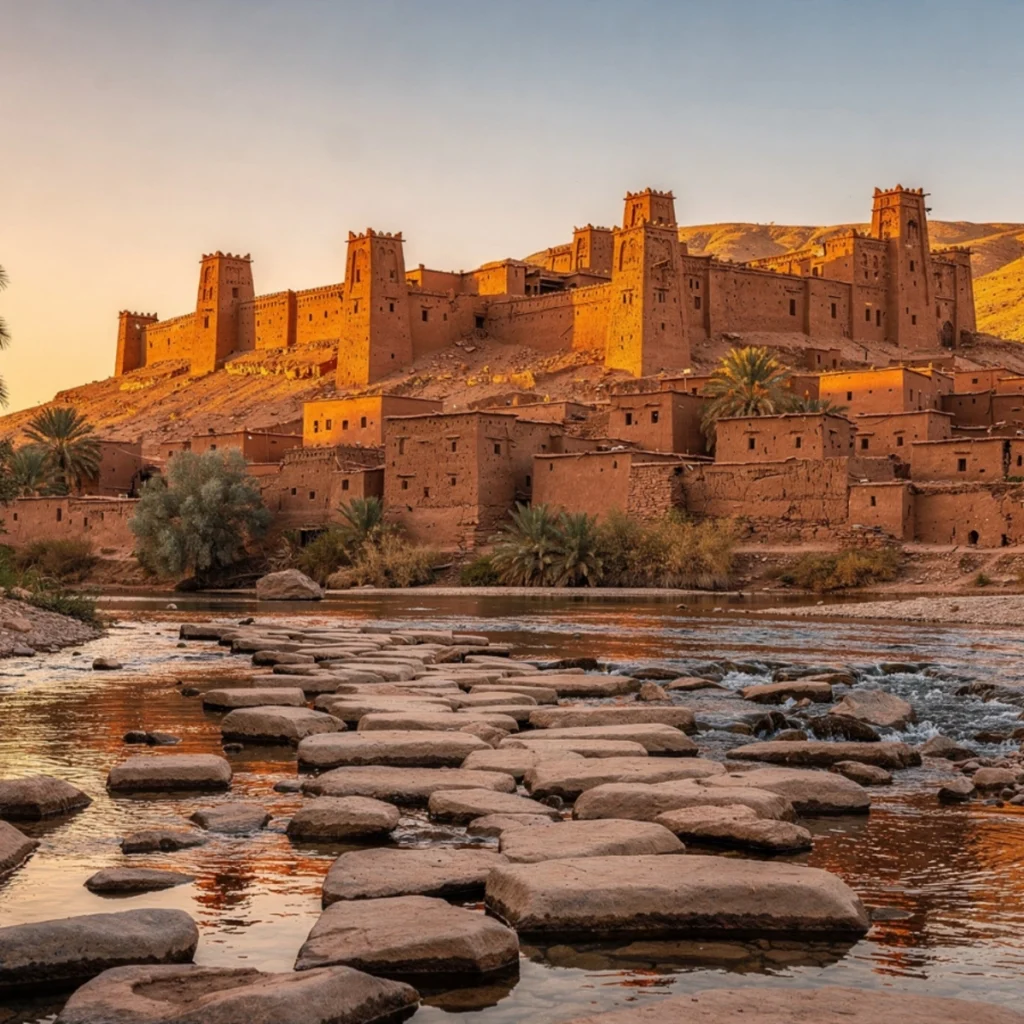
Ait Ben Haddou fortified kasbah village near Ouarzazate, Morocco

Ait Ben Haddou & Ouarzazate Road Trip from Agadir

Ait Ben Haddou & Ouarzazate Road Trip from Agadir: Complete Guide Behind Agadir's beaches and surf towns lies a completely different Morocco — one of earthen kasbahs, saffron fields, and film sets that have stood in for ancient Rome, Egypt, and Westeros. An Ait Ben Haddou and Ouarzazate road trip from Agadir takes you straight into it, crossing the Anti-Atlas mountains to reach one of the country's most iconic UNESCO World Heritage sites. This guide covers the full route, what to see along the way, how long to allow, and why doing this drive with your own rental car beats a rushed group tour. Why Add This Road Trip to Your Agadir Itinerary Ait Ben Haddou is Morocco's most famous ksar — a fortified village of red clay buildings that has appeared in films like Gladiator, Lawrence of Arabia, and Game of Thrones. Just 30 minutes away, Ouarzazate is known as the "Gateway to the Sahara" and home to some of the largest film studios in the world. Together, they make for one of the most rewarding overland trips in southern Morocco, and both are reachable in a single long day — or better, an overnight trip — from Agadir. The Route: Agadir to Ait Ben Haddou and Ouarzazate The classic route runs through the Souss Valley and over the Anti-Atlas range via three key stops: Agadir → Taroudant (about 1 hour) Often called "Little Marrakech," Taroudant is worth a short stop for its red ramparts and lively souks, even if you save the full visit for another trip. Taroudant → Taliouine (about 2 hours) Known as the saffron capital of Morocco, Taliouine sits at the edge of the Anti-Atlas and is a good place to stretch your legs, grab lunch, and pick up saffron directly from a local cooperative. Taliouine → Taznakht (about 1 hour) This small town is famous across Morocco for its Berber carpets, hand-woven by local cooperatives. It's a worthwhile stop even if you're not buying — the weaving techniques on display are centuries old. Taznakht → Ouarzazate (about 1 hour) From here, the road opens onto the pre-Saharan plains, with Ouarzazate marking the gateway to the Draa Valley and the Sahara beyond. Ouarzazate → Ait Ben Haddou (about 30 minutes) The final stretch to the ksar itself, one of the best-preserved examples of traditional pre-Saharan earthen architecture in Morocco. In total, the drive from Agadir to Ait Ben Haddou covers roughly 360 km and takes 5.5 to 6.5 hours behind the wheel, depending on stops. The road is paved and in decent condition throughout, though it does climb through mountain passes with plenty of curves — comfortable in a well-maintained rental car, but not a route to rush. What to See in Ouarzazate Taourirt Kasbah – A sprawling former residence of the Glaoui family, with narrow passageways and restored rooms open to visitors. Atlas Film Studios – One of the largest film studio complexes in the world, with sets used for major international productions. Fint Oasis – A palm-filled valley just outside town, offering a quieter alternative to the busier sites. Tifoultoute Kasbah – A smaller, less-visited kasbah with good sunset views over the surrounding plains. What to See at Ait Ben Haddou The Ksar itself – Wander the maze of earthen buildings, towers, and alleyways that make up this fortified village, still partly inhabited today. The Panoramic Viewpoint – Cross the (usually dry) riverbed and climb to the top of the hill opposite the ksar for the classic postcard view. Local Artisan Shops – Painters using saffron and tea as natural pigment sell their work throughout the village — a nice way to bring a piece of the trip home. Should You Do It as a Day Trip or Overnight? A day trip from Agadir is possible but long — expect to be on the road for 10 to 12 hours round-trip once you factor in time at each stop. If you can spare it, an overnight in Ouarzazate or Ait Ben Haddou is far more comfortable, letting you catch sunset and sunrise light over the kasbah, which is when it's most photogenic and least crowded. Why Rent a Car for This Trip Given the distance and the number of worthwhile stops along the way — Taroudant, Taliouine, Taznakht — a self-drive rental car is the most practical way to do this route. Organized day tours typically rush through these towns or skip them altogether to stay on schedule. With a rental car from Drive Plus, you can: Set your own pace and stop wherever the saffron fields or carpet cooperatives catch your eye Choose whether to push on to Ait Ben Haddou in a day or split the trip with an overnight stay Avoid group tour pricing while still getting full insurance coverage and unlimited mileage Pick up your car with free 24/7 delivery in Agadir, with no deposit and no credit card required Practical Tips for the Drive Fill up before Taliouine. Fuel stations become less frequent once you're past the town, so top up the tank there. Drive during daylight. Mountain roads through the Anti-Atlas are best tackled in good light, especially on the descent toward Ouarzazate. Bring cash. Smaller towns like Taznakht and Taliouine have limited card payment options. Pack layers. Temperatures drop noticeably once you gain elevation, even if Agadir was warm when you left. Check the weather in winter. Snow occasionally affects the higher sections of the route between December and February. An Ait Ben Haddou and Ouarzazate road trip from Agadir is one of the most rewarding drives in Morocco — swapping the Atlantic coast for saffron fields, mountain passes, and one of the country's most photographed kasbahs. Whether you tackle it in a single long day or take your time with an overnight stop, having your own car makes all the difference in how much of the route you actually get to enjoy. Ready to hit the road? Book your car with Drive Plus in

Ait Ben Haddou & Ouarzazate Road Trip from Agadir Read More »

Things to do in Marrakech – Jemaa el-Fna square at sunset with the Koutoubia Mosque in the background

Things to Do in Marrakech: The Complete Travel Guide

Things to Do in Marrakech: The Complete Travel Guide Marrakech doesn't ease you in. One minute you're stepping off a plane, the next you're standing at the edge of Jemaa el-Fna as the sun drops behind the Koutoubia Mosque, snake charmers' pipes cutting through the smoke of a hundred food stalls. It's loud, it's a little chaotic, and it's one of the most rewarding cities in North Africa to explore properly rather than rush through. This guide skips the generic "top 10" format and instead walks through the real things to do in Marrakech the way you'd actually experience them: what's worth your time in the Medina, which day trips justify hiring a car, where locals eat, and when to visit if you want blue skies without the August heat. Best Time to Visit Marrakech Marrakech sits at the foot of the Atlas Mountains in a semi-arid basin, which means its seasons swing harder than most Moroccan cities. March to May is the sweet spot. Days hover in the low-to-mid 20s°C, the Agafay desert and Ourika Valley are green, and snow still caps the Atlas peaks in the background. October and November offer a similar climate on the way down from summer, with fewer crowds than spring. June to August regularly pushes past 38°C in the city itself. Doable if you plan around it (early mornings, riad pools, evening souks), rough if you don't. December and January are mild by day but genuinely cold at night, especially in riads built around open courtyards. Pack layers. If your trip includes a loop through the Atlas Mountains or the desert, spring and autumn also give you the most flexibility for driving, since mountain roads can close briefly after winter snow. Getting Around Marrakech (and Why a Car Changes the Trip) Inside the Medina, you walk — the alleys are too narrow and too alive for anything else. But the moment your plans stretch beyond the old city walls, Marrakech's best experiences start requiring wheels: the Atlas Mountains, the Ourika Valley, Essaouira on the coast, or even just the Menara Gardens and Palmeraie on the edge of town. Petit taxis work for short hops but negotiate fares before you get in, and drivers aren't always keen on longer excursions. Organized day-tour buses hit the same three stops as every other tour and leave on someone else's schedule. Renting a car gives you the version of Marrakech that doesn't run on a tour operator's timetable — stopping at a roadside argan oil cooperative because it looked interesting, staying an extra hour at a viewpoint in the Atlas, or driving out to the coast for sunset instead of turning back at 4 p.m. If you're flying into Marrakech Menara Airport, picking up a car directly on arrival means you skip a transfer entirely and start exploring the same day. Drive Plus offers pickup at Marrakech Menara Airport with no deposit and no credit card required, which is worth knowing if you'd rather not tie up a card hold for your whole trip. Top Things to Do in Marrakech Inside the Medina Jemaa el-Fna Square The main square is the city's living room. By day it's orange juice stalls and henna artists; by night it transforms into an open-air theater of food vendors, musicians, and storytellers. Eat here at least once after dark — the grilled skewers and snail soup stalls are as much a Marrakech experience as any monument. The Souks North of the square, the souks fan out into sections — leather, metalwork, spices, textiles — that are easy to get lost in on purpose. Prices aren't fixed, so bargaining is expected; a good rule of thumb is to offer roughly a third of the first quoted price and work up from there. Bahia Palace Built in the 19th century for a grand vizier, Bahia Palace is a masterclass in Moroccan craftsmanship — carved cedar ceilings, zellige tilework, and courtyards planted with orange and jasmine trees. It's less crowded early in the morning, right after opening. Jardin Majorelle Yves Saint Laurent's restored garden is small but intensely photogenic, with cobalt-blue buildings set against bamboo groves and cacti. It's popular enough that pre-booking a time slot online saves a long queue. Saadian Tombs Rediscovered in 1917 after being sealed for centuries, these royal tombs are compact but ornate. Arrive close to opening time; the entrance is narrow and lines build fast by mid-morning. El Badi Palace Now mostly ruins, El Badi's stripped-down grandeur — sunken orange groves, storks nesting on the walls — makes for a quieter, more atmospheric stop than the more polished palaces. Day Trips From Marrakech Worth Renting a Car For Atlas Mountains and Ourika Valley About an hour southeast of the city, the Ourika Valley climbs into Berber villages, walnut groves, and waterfall hikes near Setti Fatma. The road is well-paved and manageable in a standard car, making it one of the easiest mountain escapes near Marrakech. Agafay Desert Closer than the Sahara but with a similar rocky, lunar landscape, Agafay is roughly 30 minutes from the city — close enough for a sunset dinner or a quad-biking afternoon without committing to an overnight desert trip. Essaouira A relaxed 2.5-hour drive west brings you to this fortified Atlantic port town, known for fresh seafood, Gnawa music, and a much cooler coastal climate than Marrakech. It pairs well with an overnight stay if your schedule allows it. Ouzoud Waterfalls Roughly three hours north, Ouzoud is Morocco's tallest waterfall — a genuine day trip rather than a quick stop, but worth it for the hiking trails, wild olive groves, and the resident troop of Barbary macaques along the gorge. Where to Eat Beyond the Jemaa el-Fna food stalls, Marrakech rewards seeking out smaller, unlisted spots over the well-known restaurant-riads aimed squarely at tourists. Look for places serving tanjia — meat slow-cooked in a clay urn, traditionally in the embers of a hammam furnace — which is more of a local specialty than

Things to Do in Marrakech: The Complete Travel Guide Read More »

Affordable car rental in Agadir without deposit with vehicle ready for pickup at Agadir airport

Cheap Car Rental Agadir: How to Find the Best Deals Without Getting Scammed

Cheap Car Rental Agadir: How to Find the Best Deals Without Getting Scammed Finding a cheap car rental in Agadir may look simple. Prices online can be extremely attractive, sometimes starting from just a few euros per day. But many travelers discover too late that these offers come with hidden conditions, unexpected costs, or serious risks. From hidden fees to deposit issues and unreliable bookings, the experience can quickly turn stressful — especially after landing in a new country. This guide will give you a real and honest view of the car rental market in Agadir, so you can avoid common traps and make the right choice. The Truth Behind “Cheap” Prices When you search for car rentals online, you’ll often find very low prices. These offers are designed to attract attention, but they rarely reflect the final cost. In many cases: Basic insurance is included, but not sufficient Important fees are not shown upfront Conditions are only revealed at pickup Once you arrive in Agadir, the situation can be very different from what you expected. Problem #1: Hidden Fees and Forced Upgrades One of the most common situations is arriving at Agadir Al Massira Airport and being told that your booking is incomplete. Typical scenarios include: Being told your insurance is “not valid enough” Being pushed to buy expensive full coverage Additional “local taxes” or “service fees” Because you’ve already paid or committed, you feel forced to accept. What looked cheap online becomes expensive on the spot. Problem #2: The Deposit Trap (Very Important) This is one of the biggest risks — and something many travelers don’t fully understand before booking. Most rental companies require a security deposit, often blocked on your credit card. What really happens in some cases: A large amount is blocked (500€ to 1500€ or more) The conditions to release it are unclear The inspection at return is quick and not always transparent But the real problem starts after you leave Morocco. Real issue reported by many travelers: Some companies may: Claim there are new damages on the car Provide unclear or questionable justification Deduct money from the deposit after the client has already returned home At that point: You are no longer in Morocco Communication becomes difficult Disputing the charge is complicated and time-consuming In many cases, customers simply give up trying to recover their money. This is why deposits can be a major source of stress and risk. Problem #3: No Car on Arrival Another serious issue is when customers arrive and discover that their car is simply not available. This can happen when: The company is poorly organized The booking platform is not synchronized The provider is unreliable Imagine landing at the airport, tired, and: No one is there No answer on the phone No alternative offered This creates immediate stress and can ruin the start of your trip. Problem #4: Booking via WhatsApp Without Any Proof Some travelers try to get better deals by booking directly via WhatsApp or social media. While some providers are legitimate, others are not. Risky situations include: No official confirmation No written contract No clear company identity When the customer arrives: The person may stop responding The car may not be available The agreed conditions may change Without proof, it becomes very difficult to claim anything. Problem #5: Vehicles Not Matching Expectations Another common issue: Different car than booked Older or damaged vehicle Poor cleanliness or maintenance This often happens with offers that are significantly cheaper than the market average. How to Avoid These Problems Here are the most important things to check before booking: Transparency First Make sure the price includes: Insurance Taxes All mandatory fees Be Careful With Deposits Always ask: Is there a deposit? What amount? Under what conditions can it be deducted? If possible, choose a solution with:no deposit required Get a Real Confirmation You should always receive: A clear booking confirmation Rental details Contact information Don’t Trust Prices That Are Too Low Extremely cheap offers usually hide something: Limited insurance Hidden costs Poor service Choose Reliability Over Price A slightly higher price often means: Better service No surprises Peace of mind A Simpler and Safer Way to Rent a Car Today, more travelers prefer transparent and flexible rental services. A reliable experience should include: No deposit No credit card required Clear conditions from the beginning Delivery directly to your location Easy and direct communication This removes uncertainty and allows you to enjoy your trip from the start. Enjoy Your Trip Without Stress Driving around Agadir, Taghazout, or Tamraght is one of the best ways to explore the region. But your experience depends heavily on the rental company you choose. A bad experience can create stress that follows you throughout your trip.A good one gives you freedom and peace of mind. Finding a cheap car rental in Agadir is not about choosing the lowest price — it’s about avoiding problems. Hidden fees, deposit issues, unreliable bookings, and lack of transparency are real risks that many travelers face. By choosing a trustworthy and transparent provider, you avoid these situations and enjoy your trip the way it should be.

Cheap Car Rental Agadir: How to Find the Best Deals Without Getting Scammed Read More »

Traditional Moroccan dishes including tagine, couscous, pastilla, and mint tea

Must-Try Dishes in Morocco: A Complete Food Guide

Must-Try Dishes in Morocco: A Local’s Food Guide Moroccan cuisine is a vibrant tapestry of flavors, spices, and traditions that reflect the country’s rich history. From the bustling souks of Marrakech to the coastal charm of Agadir, every region offers unique dishes that every traveler should experience. This guide will help you discover must-try dishes in Morocco, including where to find them, what makes them special, and tips for enjoying them like a local. Why Moroccan Cuisine Is a Must-Try Moroccan food combines influences from Berber, Arab, Mediterranean, and even French cuisines. Traditional meals emphasize fresh ingredients, bold spices, and unique cooking techniques such as slow-cooking in a tagine or steaming couscous. Whether you’re a food lover or a curious traveler, tasting Moroccan cuisine is an unforgettable part of your journey. For visitors in Agadir, renting a car is the best way to explore culinary hotspots, from local street markets to remote villages where traditional meals are prepared by families. Top Must-Try Moroccan Dishes Tagine – Morocco’s Iconic Stew Tagine is perhaps the most famous Moroccan dish. Named after the traditional clay pot it’s cooked in, a tagine is a slow-cooked stew featuring meat, vegetables, and aromatic spices. Popular variations: Chicken with preserved lemons and olives Lamb with prunes or apricots Vegetarian tagine with seasonal vegetables Where to try it: Local restaurants in Marrakech Seaside eateries in Essaouira Family-run cafés in Agadir Pro tip: Serve tagine with freshly baked Moroccan bread to scoop up the sauce. Couscous – The National Staple Couscous is a classic Moroccan dish made from steamed semolina grains, often served with vegetables, chickpeas, and meat. Traditionally enjoyed on Fridays, couscous is considered a communal dish. Popular variations: Couscous with lamb, raisins, and almonds Vegetable couscous for a lighter option Where to try it: Souks and traditional restaurants in Fez, Marrakech, and Agadir. Pro tip: Pair it with a light Moroccan salad for a complete meal. Harira – The Famous Moroccan Soup Harira is a hearty tomato-based soup with lentils, chickpeas, rice, or vermicelli, often including lamb or beef. It’s a staple during Ramadan but available year-round. Special touch: Often served with dates and chebakia, a sweet Moroccan pastry. Where to try it: Street vendors and cafés across Morocco, especially in Medina areas. Pastilla – The Sweet and Savory Pie Pastilla is a flaky pie typically filled with pigeon or chicken, almonds, and a touch of cinnamon and sugar. The combination of sweet and savory flavors makes it unique to Moroccan cuisine. Where to try it: Fine dining restaurants in Marrakech, Fes, and Agadir. Pro tip: It’s traditionally served at celebrations, so tasting it is like experiencing Moroccan hospitality. Mechoui – Slow-Roasted Lamb Mechoui is whole lamb roasted slowly over coals or in a clay oven. The meat is tender and infused with spices. Where to try it: Festive events, rural areas, and traditional restaurants outside big cities. Pro tip: Perfect for sharing with a group; ask for freshly baked bread to enjoy with the meat. Rfissa – Lentils, Chicken, and Msemmen Rfissa is a traditional Moroccan dish often served at special occasions. It combines shredded bread, lentils, chicken, and a fragrant mix of spices. Where to try it: Rural areas in Souss-Massa region near Agadir and villages around Marrakech. Moroccan Mint Tea – The Beverage of Hospitality No Moroccan meal is complete without Moroccan mint tea. Sweet, refreshing, and infused with fresh mint leaves, this tea is a symbol of hospitality and often served with local pastries. Where to try it: Cafés, street stalls, and homes across Morocco. Paired with: Chebakia, ghoriba (almond cookies), or fresh dates. Moroccan Street Food For travelers seeking quick bites and authentic experiences, Moroccan street food is a must: B’stilla bites from small vendors Sfenj – Moroccan doughnuts, fresh and sweet Grilled meats – Skewers with local spices Fresh orange juice – From roadside stalls Tip: Always choose busy stalls for freshness. Food Experiences Around Agadir If you’re visiting Agadir, renting a car gives you access to amazing culinary destinations: Taghazout & Tamraght: Try seafood tajines and beach cafés Paradise Valley: Picnic with traditional bread, olives, and cheese while enjoying nature Imsouane: Perfect for fresh fish dishes after a morning surf Driving allows you to combine sightseeing with tasting local dishes, making every meal an adventure. Tips for Enjoying Moroccan Cuisine Respect local customs: Wash your hands before eating, and many dishes are shared communally. Ask before taking photos of people or food markets. Try new flavors gradually: Moroccan spices are bold but delicious. Rent a car to explore: Some of the best culinary experiences are outside the main tourist areas. Taste Morocco Like a Local From slow-cooked tagines to sweet mint tea, Moroccan cuisine is a journey of flavors and culture. By exploring both cities and rural regions, and with the freedom a rental car provides, you can experience Morocco’s food scene fully. Whether you’re sampling street food in Agadir, enjoying couscous in Marrakech, or sipping tea in a mountain village, these must-try dishes in Morocco will leave a lasting impression on your palate—and your travel memories.

Must-Try Dishes in Morocco: A Complete Food Guide Read More »

Tafraoute Travel Guide: pink granite mountains and palm valley in southern Morocco

Tafraoute Travel Guide: Your Ultimate Adventure in Southern Morocco

Tafraoute Travel Guide – A Hidden Gem in the Anti-Atlas Mountains Tucked away in the heart of the Anti-Atlas mountains, Tafraoute is one of Morocco’s most surprising and beautiful destinations. This small Berber town, surrounded by dramatic pink granite formations and peaceful valleys, offers a completely different atmosphere from Morocco’s busy coastal cities. Travelers who make the journey to Tafraoute often describe it as one of the most authentic and scenic places in the country. This Tafraoute Travel Guide will help you discover why this mountain oasis has become a favorite destination for visitors looking to explore Morocco beyond the usual tourist routes. Located about three hours from Agadir, Tafraoute sits in a spectacular natural setting where rocky mountains, palm groves and traditional villages create a landscape that feels both wild and timeless. The town itself is relaxed and welcoming, with small cafés, local markets and friendly residents who proudly preserve their Berber traditions. The Unique Landscape of Tafraoute What makes Tafraoute truly special is the surrounding landscape. The Anti-Atlas mountains here are made of giant pink granite rocks that have been sculpted by wind and erosion over thousands of years. At sunrise and sunset the rocks glow with deep shades of red, orange and rose, creating a magical atmosphere that photographers and nature lovers find unforgettable. The region is also dotted with palm groves, almond trees and small agricultural terraces where local families still grow olives, figs and vegetables. This contrast between rugged mountains and green valleys gives Tafraoute a charm that is rarely found elsewhere in Morocco. Driving through the region feels like traveling through a natural open-air museum, with unusual rock formations appearing around every corner and small Berber villages blending into the landscape. Exploring the Famous Painted Rocks One of the most unusual attractions described in any Tafraoute Travel Guide is the famous Painted Rocks. Located a few kilometers outside the town, this artistic site was created in 1984 by Belgian artist Jean Verame, who painted several massive granite boulders in bright blue tones. The result is a surreal scene where huge colored rocks rise from the desert landscape. The contrast between the natural mountains and the painted stones creates a unique artistic installation in the middle of nature. Over the years the colors have faded slightly, which actually gives the site an even more mysterious atmosphere. Visitors often stop here for photos or simply to admire the creativity of this unexpected artwork in such a remote place. Discovering the Beautiful Valleys Around Tafraoute Beyond the town itself, the region surrounding Tafraoute is full of incredible valleys and traditional villages that reveal the authentic lifestyle of southern Morocco. One of the most impressive places to explore is the Aït Mansour Valley, a green oasis hidden between steep canyon walls. As the road winds through the valley, visitors discover palm trees, small rivers and ancient stone houses built directly into the mountainside. Walking through the valley offers a peaceful experience far from the noise of the cities. Another stunning area is the Ameln Valley, located at the foot of the Jbel Lekst mountains. This valley is known for its picturesque Berber villages and dramatic mountain scenery. The traditional houses, often painted in soft colors, appear almost carved into the rocky landscape. The area is perfect for hiking, photography and discovering the rural culture of the Anti-Atlas The Famous Almond Blossom Season One of the most beautiful times to visit Tafraoute is during the almond blossom season. Each year, usually in February, thousands of almond trees bloom across the valleys surrounding the town. The mountains become covered with delicate white and pink flowers, transforming the region into a spectacular natural garden. During this period the town celebrates the Almond Blossom Festival, a cultural event that highlights local traditions. Visitors can experience traditional Berber music, dancing, craft markets and local cuisine. The festival is both a celebration of nature and a reflection of the strong cultural identity of the region. Many travelers consider this time of year to be the most magical moment to visit Tafraoute. Outdoor Adventures in the Anti-Atlas Mountains Thanks to its peaceful environment and dramatic scenery, Tafraoute has become a paradise for outdoor enthusiasts. The surrounding mountains offer endless opportunities for hiking and exploring, with trails leading through valleys, rocky plateaus and remote Berber villages. Cycling has also become very popular in the region. The quiet roads that wind through the Anti-Atlas mountains provide breathtaking views and allow visitors to experience the landscape at a slower pace. Rock climbing and nature photography are also common activities for travelers who enjoy adventure and wide open spaces. Unlike Morocco’s more crowded destinations, Tafraoute offers a sense of calm and freedom that makes outdoor exploration especially enjoyable. Getting to Tafraoute from Agadir For travelers staying on the Atlantic coast, Tafraoute makes an unforgettable road trip from Agadir. The journey takes around three hours and passes through changing landscapes that gradually transition from coastal plains to mountain terrain. The road itself is part of the adventure, revealing hidden valleys, traditional villages and dramatic rock formations along the way. Having a car allows visitors to stop at scenic viewpoints and explore places that are rarely seen by mass tourism. For many travelers, the drive to Tafraoute becomes one of the highlights of their journey through southern Morocco. Why Tafraoute Should Be on Your Morocco Itinerary Any complete Tafraoute Travel Guide would agree that this destination offers something unique in Morocco. While cities like Marrakech and Agadir attract large numbers of visitors, Tafraoute remains peaceful, authentic and deeply connected to its natural surroundings. The combination of spectacular mountain landscapes, traditional Berber culture and quiet rural life creates a travel experience that feels both relaxing and inspiring. Whether you come for the incredible scenery, the outdoor adventures or the cultural discoveries, Tafraoute leaves a lasting impression on everyone who visits. For travelers looking to explore the hidden beauty of southern Morocco, Tafraoute is truly a destination worth discovering.

Tafraoute Travel Guide: Your Ultimate Adventure in Southern Morocco Read More »