Taroudant: Morocco's "Little Marrakech" You Shouldn't Miss
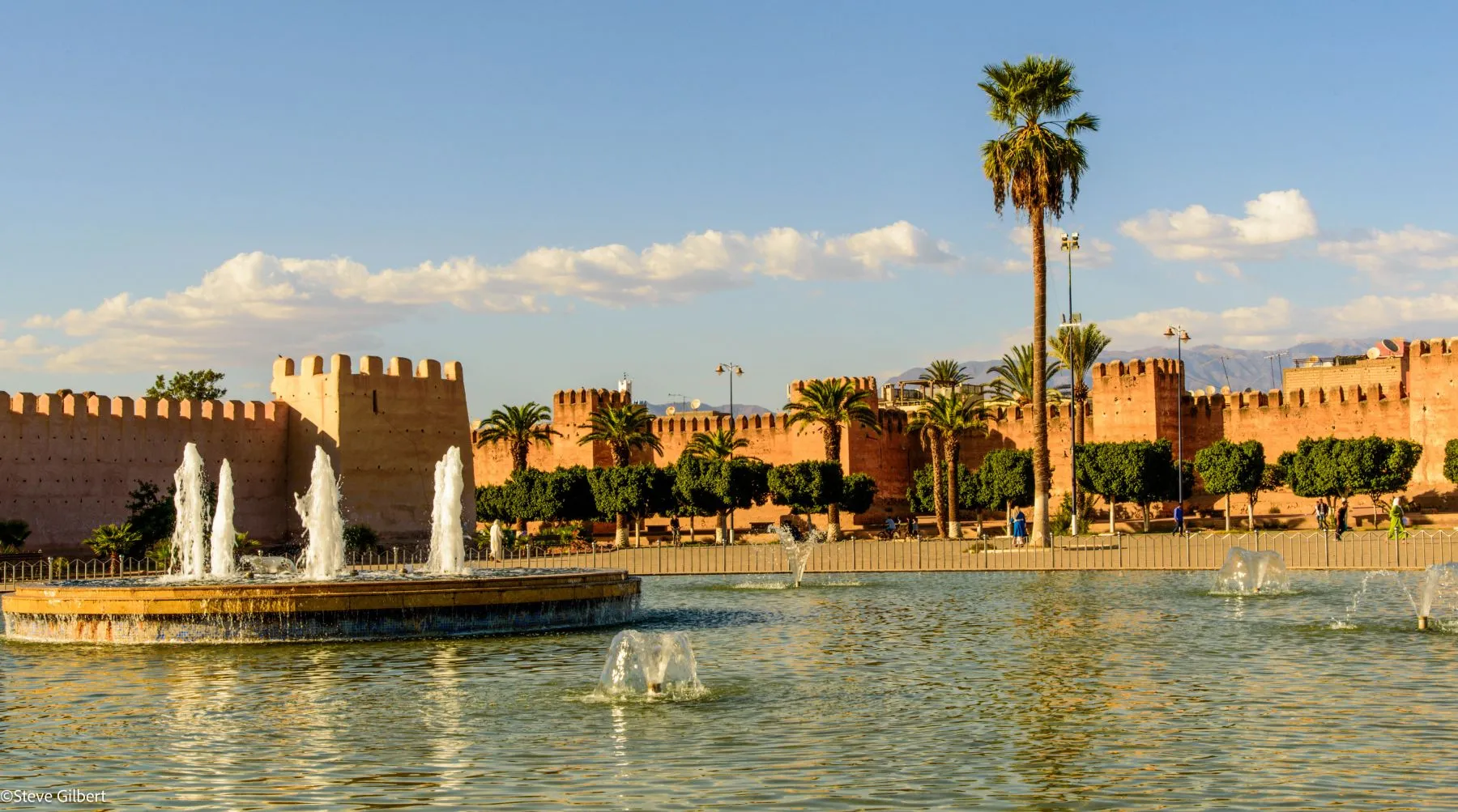
Tucked between the High Atlas and Anti-Atlas mountains, in the heart of the Souss valley, Taroudant is one of Morocco's most charming and authentic cities. Nicknamed "little Marrakech" for its ochre-colored ramparts reminiscent of the Red City, it stands out for its relaxed pace, lively souks and rich history. Less touristy than its famous neighbor, Taroudant offers a more intimate taste of Morocco, making it a perfect stop on a road trip from Agadir or a longer journey through the country's south.
Where Is Taroudant?
Taroudant sits about 80 km east of Agadir, in the Souss-Massa region. Its location at the crossroads of the Souss valley and the surrounding mountain ranges makes it an ideal base for exploring southern Morocco, between the sea, the mountains and the desert. The city is easy to reach by car from Agadir, making it perfect for a day trip or a stopover on the way to Ouarzazate and the Sahara.
A Bit of History: An Ancient Capital
Taroudant's history stretches back to antiquity. Some historians trace its origins to more than 2,600 years ago, to the era of Phoenician and Carthaginian trading posts already active in the region. Over the centuries, the city played a major strategic role in southern Morocco, contested by various tribes and dynasties for its agricultural wealth and trade routes.
The most significant turning point came in the 16th century, when Taroudant became the first capital of the Saadian dynasty, before the seat of power moved permanently to Marrakech. At the time, the city's prosperity relied heavily on the sugar trade, produced locally and shipped all the way to the port of Agadir. It also served as a refuge for rebel princes and a stronghold against the various powers vying for control of the southern kingdom.
Today, Taroudant is still regarded as the historic and cultural capital of the Souss region, a heritage the city is working to bring back into the spotlight for travelers.
The Ramparts: The City's Signature Landmark
No visit to Taroudant is complete without admiring its ramparts, the city's true calling card. Stretching roughly 7 to 7.5 km, these ochre-colored pisé (rammed earth) walls are among the longest and best preserved in Morocco. Built and reinforced over the centuries, notably in the 18th century, they almost entirely enclose the medina and are punctuated by towers and five main gates:
- Bab El Kasbah
- Bab El Khemis
- Bab Zorgane (or Bab Zarkan)
- Bab Ouled Bounouna
- Bab Taghrount
The best way to admire them is a horse-drawn carriage ride at the end of the day, when the setting sun sets the ochre earth ablaze — a particularly photogenic moment.
The Medina and Its Lively Souks
Inside the ramparts lies the old medina, the historic and lively heart of Taroudant. Its narrow, winding streets remain largely well preserved, offering a real contrast with the "new medina" outside the walls, home to the administrative district, banks, hotels and the provincial government headquarters.
At the center of the old town, Assarag Square is the place to be: its café terraces under the arcades are perfect for watching daily life go by after a stroll through the souks.
Taroudant is known for:
- its leatherwork, crafted with skill recognized throughout Morocco;
- its solid silver Berber jewelry, a highly sought-after local specialty;
- its rugs, featuring traditional Souss patterns;
- its two large souks, where spices, pottery and local produce mix in an authentic atmosphere, far removed from the bustle of more touristy medinas.
What to See in Taroudant
Here are the must-sees for a full visit to Taroudant:
- The ramparts and their historic gates, best explored on foot or by carriage.
- Assarag Square, to soak up the local atmosphere.
- The Arab and Berber souks, for crafts and local produce.
- The Great Mosque and Arrahma Mosque, testaments to the city's religious heritage.
- The Claudio Bravo Camus Palace, a historic residence worth discovering on the outskirts of the city.
- The surrounding kasbahs, remnants of the region's defensive past.
Beyond the City: The Tiout Oasis
A visit to Taroudant pairs perfectly with a side trip to the Tiout oasis, just about 30 km away. This welcoming village, nestled between gorges and a palm grove, offers a striking contrast to the arid landscape surrounding it. Visitors can discover a hilltop kasbah, lush gardens and a traditional rural way of life typical of southern Morocco — a great stop to extend your exploration of the region by car.
Why Visit Taroudant?
Taroudant has recently been featured in international press, including CNN, as one of Morocco's most authentic and least crowded destinations, far from mass tourism. Its "majestic" ramparts, its location between mountains and sea, and its status as national cultural heritage make it a destination in its own right, not just a stopover.
Unlike Marrakech, Taroudant remains almost entirely enclosed within its historic walls, giving it a more intimate and well-preserved atmosphere. It's the ideal spot for travelers seeking authenticity, tranquility and encounters with traditional Berber craftsmanship.
Practical Tips for Your Visit
- Best time to go: spring and fall offer pleasant temperatures for exploring the medina and surrounding area.
- How to get there: the scenic drive from Agadir is easy, making it a great day-trip destination by car.
- Recommended length of stay: a full day covers the essentials, but staying overnight lets you enjoy the city's atmosphere at sunrise and sunset.
- Pair it with: the Tiout oasis, the Souss valley, or a longer route toward Ouarzazate and the desert.
With its striking ramparts, authentic medina, lively souks and rich history as a Saadian capital, Taroudant fully lives up to its reputation as "little Marrakech." Calmer and less crowded than Morocco's larger imperial cities, it offers a genuine immersion into the culture and craftsmanship of the south. It's a stop not to be missed on your next Morocco road trip.