Toubkal Trekking: Complete Guide to Climbing Morocco's Peak
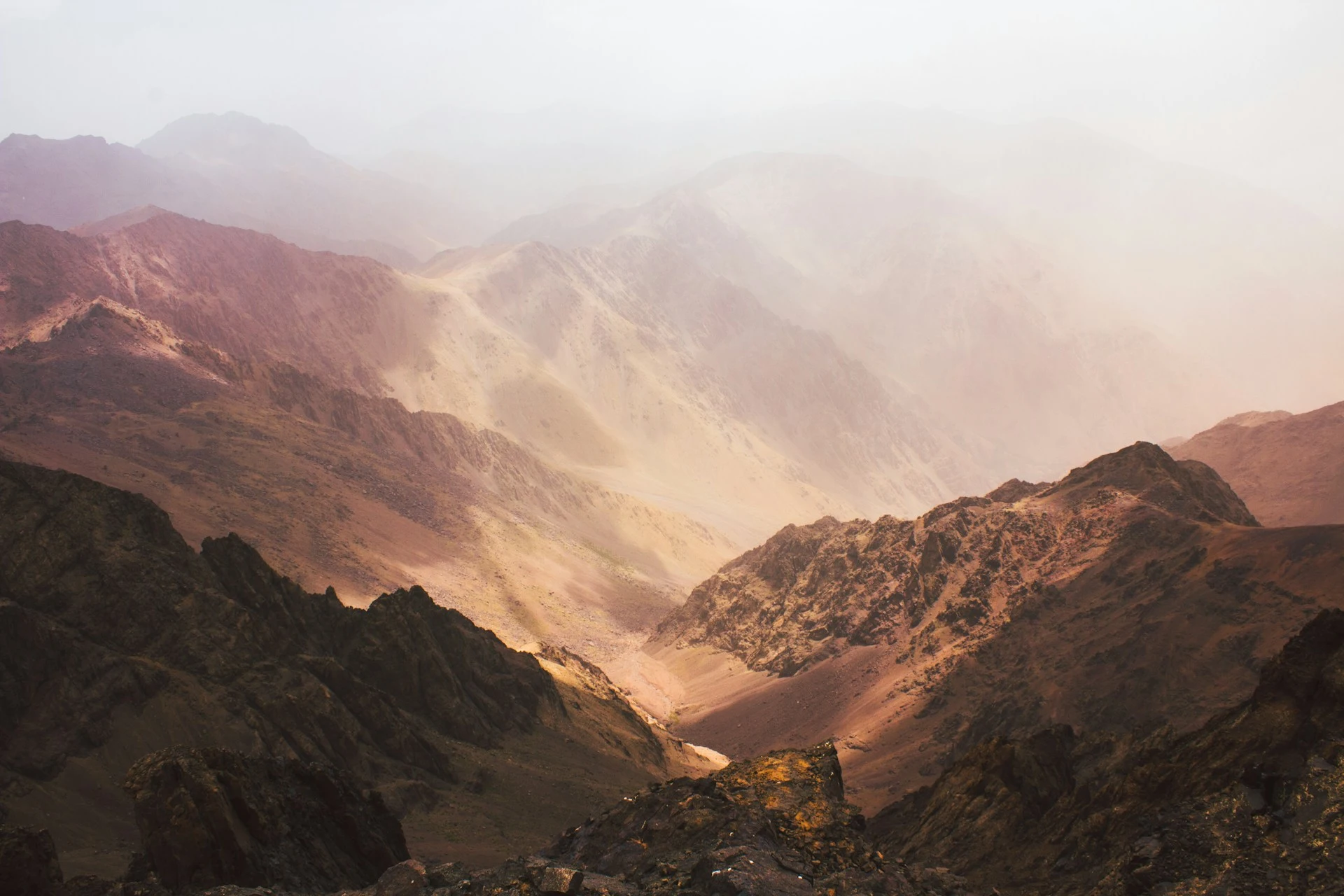
Toubkal trekking is the most popular mountain adventure in Morocco, and for good reason. At 4,167 metres, Jebel Toubkal is the highest summit in North Africa, yet it sits just 60 kilometres south of Marrakech. You can leave the city's busy souks in the morning and be walking among Berber villages and walnut trees before lunch.
Best of all, you do not need to be a technical climber. In the main season, the standard route is a demanding but non-technical walk. If you are reasonably fit and prepared, a Mount Toubkal trek is achievable in two days, and it is one of the best introductions to Atlas Mountains trekking.
This guide covers everything you need to plan your climb: routes, itineraries, difficulty, the best time to go, gear, guides, costs and practical tips.
Why Choose Toubkal Trekking?
A real summit, within easy reach. Few 4,000-metre peaks are this accessible. Marrakech airport is about 1.5 hours by road from the trailhead, which makes Toubkal ideal for a short trip or an add-on to a Moroccan holiday.
Spectacular scenery. The trail climbs through terraced valleys, red-earth villages and rocky high-mountain terrain. From the summit, on a clear day, you can see across the High Atlas and, in good conditions, toward the Sahara.
Authentic culture. Toubkal trekking passes through Amazigh (Berber) communities. Tea with a local family, a night in a mountain refuge and the hospitality of your muleteers are as memorable as the peak itself.
Flexible difficulty. You can climb Toubkal in 2 days, stretch the route to 3 or 4 days for better acclimatisation, or combine the summit with other peaks and valleys of the Toubkal National Park.
Where Is Mount Toubkal?
Jebel Toubkal rises in the High Atlas, inside Toubkal National Park. The classic starting point is Imlil, a village at about 1,740 metres, roughly 60 kilometres from Marrakech. Most trekkers book a transfer from Marrakech, either through their guide or a hotel. Shared taxis and buses also reach nearby Asni, where you can connect on to Imlil.
The trek from Marrakech is easy to organise. Many agencies offer all-inclusive packages covering transfers, guide, mule support and accommodation, while independent trekkers can arrange these steps directly in Imlil.
The Classic Route: Imlil to Toubkal Refuge and Summit
The most common route for climbing Toubkal follows the Mizane valley. It is well marked, well used and suitable for most fit hikers in the right season.
Day 1: Imlil to Toubkal Refuge (about 5 to 6 hours)
After a transfer from Marrakech, you start walking from Imlil. The path climbs gradually past walnut groves and small farms. Around the halfway point you reach Sidi Chamharouch, a revered shrine and a popular rest stop with tea stalls. From there, the trail becomes rockier and steeper before arriving at the Toubkal Refuge (also known as the Neltner Refuge) at roughly 3,200 metres. This is where most people spend the night before the summit.
Day 2: Summit and return to Imlil (about 8 to 10 hours in total)
Set off early, often before sunrise, to enjoy cooler temperatures and the best light. The ascent from the refuge takes around 3 to 4 hours, climbing a long rocky slope toward the ridge and then the summit marked by a metal pyramid. After photos and a snack, you descend back to the refuge for lunch, then continue down to Imlil.
This is the standard Toubkal 2 day trek, and it is the option most visitors choose.
Longer Itineraries for Better Acclimatisation
The summit is above 4,000 metres, so altitude can affect some trekkers. If you want a more relaxed experience, consider one of these options:
- 3-day trek: Spend the first night in Imlil or in a village gite, reach the refuge on day 2, and summit on day 3. The extra day helps your body adapt.
- 4-day trek: Add a night at the refuge, or include a day exploring the valleys around Imlil before the climb.
- Toubkal circuit: A multi-day loop through several valleys, passing high passes and remote villages. It suits trekkers who want more variety and fewer crowds.
If you are short on time, a Toubkal trek from Marrakech can even start and finish within a weekend, but a slower pace is safer and more enjoyable.
How Hard Is Toubkal Trekking?
Toubkal is often described as moderate to challenging. The route is not technical in summer, but the combination of altitude, steep rocky sections and long days makes it tiring.
- Distance and elevation: The summit day involves roughly 1,000 metres of ascent from the refuge, on loose stones in places.
- Altitude: Some people feel headaches, nausea or breathlessness near the top. Walk slowly, drink plenty of water and descend if symptoms worsen.
- Fitness: Regular hiking or cardio training for a few weeks beforehand makes a big difference.
- Weather: Conditions can change quickly. Even in summer, mornings and nights at the refuge are cold.
In winter and early spring, snow and ice can cover the upper slopes. At that time of year, crampons and an ice axe are often needed, and the climb becomes a serious mountaineering objective that calls for an experienced guide.
Best Time for Toubkal Trekking
The best seasons for climbing Toubkal are spring (April to June) and autumn (September to November).
- Spring: Pleasant temperatures, green valleys and flowering trees. Some snow may remain high up in April.
- Summer (July and August): The trail is usually snow-free, but afternoons can be hot at lower altitude. Start early each day.
- Autumn: Clear skies, stable weather and comfortable temperatures make this a favourite period.
- Winter (December to March): Beautiful but demanding. Expect snow, ice and short days, and go only with an experienced guide and proper equipment.
Always check the forecast before you go, and keep in mind that Ramadan can affect the availability of some services in villages.
What to Pack for Toubkal Trekking
Packing well keeps you comfortable and safe at altitude. Bring:
- Broken-in hiking boots with good grip
- Layers: base layer, fleece, insulated jacket and a waterproof shell
- Hat, gloves, sunglasses and high-factor sunscreen
- Trekking poles, which help on the loose descent
- A headlamp with spare batteries for the pre-dawn start
- A sleeping bag liner (refuges provide blankets) and a light towel
- Reusable water bottle or hydration bladder, plus purification tablets
- Energy snacks, a basic first aid kit and any personal medication
- A small daypack for the summit day (extra luggage can often be carried by mule)
In winter, add crampons, an ice axe and warmer layers.
Do You Need a Guide?
A licensed local guide is strongly recommended for Toubkal trekking, and essential in snowy conditions. A guide knows the route, monitors your pace and the weather, handles logistics at the refuge and helps in an emergency. Hiring a local guide also supports the mountain communities who depend on trekking.
When you choose a guide or agency, look for official certification, good reviews, clear pricing and a sensible group size. Ask exactly what is included: transfers, meals, refuge beds, mule transport and tips.
Costs and Booking Tips
The cost of a Toubkal trek depends on group size, season, accommodation style and the services you choose. Costs usually cover a guide, mule transport, refuge or gite accommodation, meals and the transfer from Marrakech. Prices vary, so request quotes from several providers and compare what each one includes.
Book the refuge in advance during busy periods, especially in spring and autumn, since beds are limited. If you want a quote or want to book a guided climb, you can do so here: [INSERT LINK HERE].
Practical Tips for a Safe Summit
- Acclimatise if you can. An extra night in Imlil or at the refuge reduces the risk of altitude symptoms.
- Start early. Leaving the refuge before dawn gives you cooler weather and a safer window.
- Hydrate and eat often. Drink steadily and snack even when you do not feel hungry.
- Go slowly. A steady pace saves energy for the descent, where many injuries happen.
- Respect local customs. Dress modestly in villages, ask before photographing people and carry out your litter.
- Check your insurance. Make sure your travel policy covers trekking at 4,000 metres.
Frequently Asked Questions
How long does it take to climb Toubkal? Most people complete the classic climb in 2 days: about 5 to 6 hours of walking up to the refuge, then a long summit day. Adding a third day makes it easier.
Is Toubkal dangerous? In summer the route is non-technical, and the main risks are altitude, fatigue and changing weather. In winter, snow and ice raise the difficulty considerably.
Can beginners climb Toubkal? Fit beginners with some hiking experience can succeed, ideally with a guide and an extra day for acclimatisation.
What is the height of Toubkal? Jebel Toubkal stands at 4,167 metres, the highest peak in the Atlas Mountains and in North Africa.
Where do you stay on the trek? Most trekkers sleep in the Toubkal Refuge, in shared dormitory-style rooms with basic facilities. Guesthouses are available in Imlil.
Toubkal trekking offers a rare mix of accessibility, adventure and culture. In two to four days you can walk through traditional villages, spend a night in a mountain refuge and stand on the roof of North Africa. With good preparation, the right season and a trusted guide, climbing Toubkal is an experience you will remember for years.
Ready to plan your own Toubkal summit? Start with the route that fits your fitness and schedule, then book your guide and refuge early: [INSERT LINK HERE